
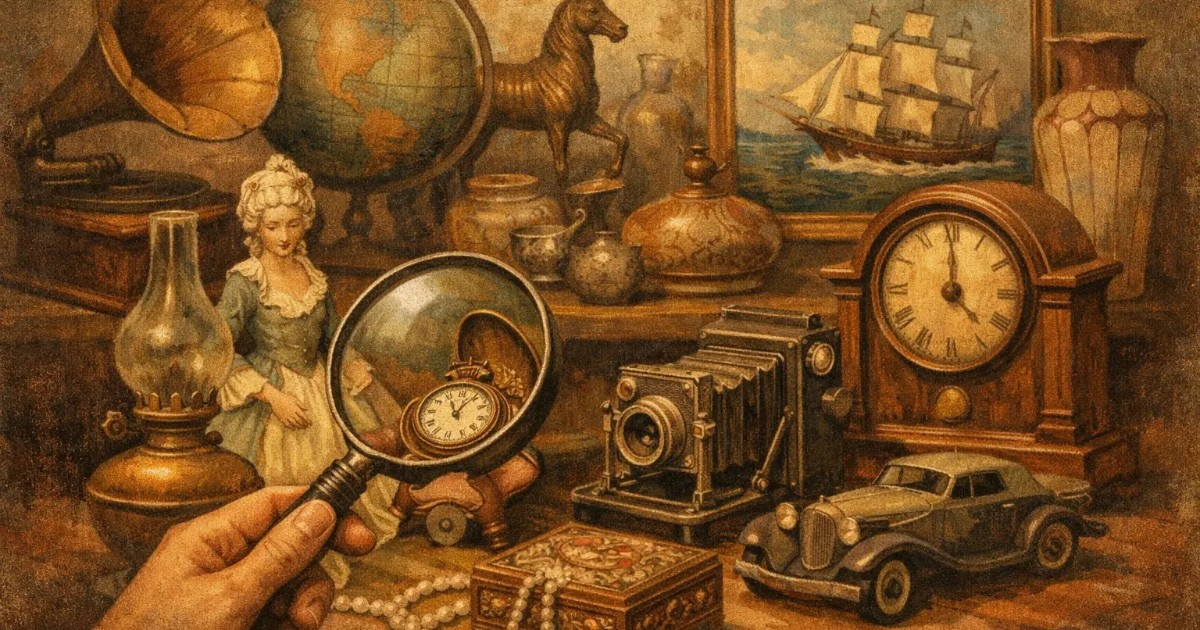
A hand-painted porcelain dish can do more for a bookshelf than another new accessory ever could. A worn regional history may carry the name of a long-closed local bookstore. A set of mid-century glasses turns an ordinary dinner into a small occasion. These are the pleasures shaping vintage and antique collecting trends now: objects with presence, purpose, and a story that feels close enough to touch.
Collectors are still drawn to rarity and maker marks, of course. Yet the current appetite is broader than blue-chip antiques or formal period rooms. People are choosing pieces that make a home feel layered and personal - a figurine remembered from a grandparent’s cabinet, a holiday ornament with old-fashioned sparkle, or a vintage yearbook tied to a hometown. The most compelling collections are less about following a rigid rulebook and more about living with objects that continue to earn their place.
Antique Collecting Trends Are Becoming More Personal
For years, many shoppers approached antiques through a narrow question: Is it valuable? That question still matters, especially for scarce, well-preserved pieces by sought-after makers. But it is now joined by a more revealing one: Do I want to look at this every day?
This shift has opened the door to collectible objects that may be modest in scale but rich in feeling. Small ceramic animals, souvenir plates, hand-blown glass, music scores, recipe booklets, and local ephemera are finding new audiences because they offer a connection that cannot be replicated by a newly manufactured decorative object.
Personal history is part of the appeal. A vintage school annual can be meaningful to an alumna, a family historian, or someone decorating with a sense of place. A book about a particular county, railroad, church, or landmark can become both a useful reference and a handsome shelf piece. These paper archives are often affordable entry points for newer collectors, while their regional specificity makes them genuinely difficult to replace.
The trade-off is that sentimental appeal does not always translate into rapid resale value. Collect what speaks to you first, especially when buying decorative or archival pieces. Condition, scarcity, and provenance will always influence the market, but affection is what turns an acquisition into part of a home.
Useful Antiques Are Back on the Table
The best vintage and antique collecting trends do not require every object to sit behind glass.
Collectors are bringing old things 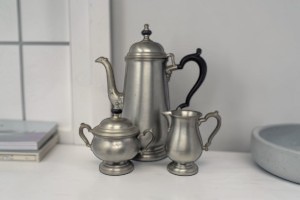 into daily rituals, particularly at the table and in the kitchen. Vintage serving pieces, pressed glass, tea cups, cookie presses, cake stands, and small pitchers offer craftsmanship and character that mass-produced tableware rarely matches.
There is a practical logic here. A single vintage bowl can serve fruit, hold ornaments in December, or become a quiet centerpiece on a dining table. A set of mismatched dessert plates can make a gathering feel more considered without feeling overly formal. The charm comes from variation: different floral patterns, delicate gold trim, a maker’s stamp, or the soft irregularity of hand decoration.
Use does call for judgment. Fine porcelain with worn gilding may be better reserved for display or gentle occasions. Old glass should be inspected for chips, cracks, and cloudiness before it is placed into regular service. Decorative ceramics with uncertain glazes are best treated as display pieces rather than food-safe ware. Living with antiques should be pleasurable, not anxious, and choosing the right role for each object protects both the piece and its future.
The Collected Table Is Replacing the Matching Set
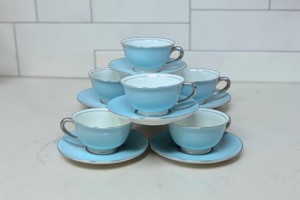 Matching china services still have devoted admirers, especially when they are complete, beautifully patterned, or tied to a beloved maker. But many homes now favor a collected table: a vintage linen runner, a pair of candleholders, a few complementary plates, and colored glass gathered over time.
This approach suits apartments, inherited collections, and changing tastes. It also gives shoppers permission to purchase one exceptional item rather than wait for a full set. A single art glass vase, a lidded sugar bowl, or a graceful serving platter can become the piece that anchors a table setting.
Mid-Century Glass and Figurines Keep Their Decorative Pull
Mid-century decorative objects remain especially appealing because they feel lively without demanding a fully mid-century room. A sculptural vase, swung glass bowl, ashtray repurposed as a catchall, or ceramic planter can sit comfortably beside traditional furniture, cottage florals, or a contemporary lamp.
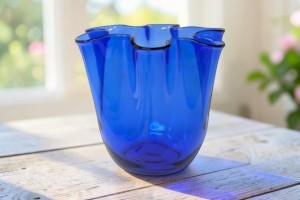
Color plays a major role. Amber, smoky gray, jade green, cobalt blue, and clear textured glass bring depth to shelves and tabletops. These objects catch changing light throughout the day, making even a small collection feel animated. When evaluating vintage glass, collectors tend to look for clean surfaces, intact rims, and distinctive forms. A tiny flea bite may be acceptable on a hard-to-find piece, but it should be reflected in both the price and the decision.
Figurines are also enjoying a gentler revival. Rather than filling every available shelf, collectors are choosing one or two well-made examples with expressive modeling, hand-painted details, or a charming theme. Birds, dogs, woodland animals, and seasonal figures work particularly well in small displays. Their appeal is emotional, but thoughtful placement keeps them from feeling cluttered.
A figurine on a stack of old books, beside a framed postcard, or under a glass cloche reads as intentional. Ten figurines lined shoulder to shoulder may read as storage. The difference is curation.
The Return of Paper Archives and Memory Objects
Books, postcards, correspondence, sheet music, souvenir programs, vintage advertising, and yearbooks are among the most quietly exciting categories for collectors. They preserve the texture of ordinary life: local businesses, changing graphic design, school traditions, handwriting, and the visual language of another era.
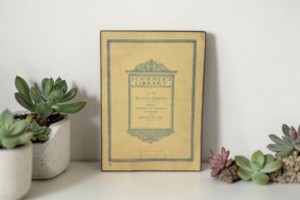
Unlike many decorative objects, paper archives ask to be read as well as displayed. A 1940s music score can bring period typography to a piano room. A state history book can add depth to a guest room in a family home. A holiday card with a snowy illustration can be framed seasonally, then tucked away until next year.
Condition matters greatly with paper. Look for completeness, secure bindings, legible pages, and a reasonable absence of moisture damage. Foxing, small inscriptions, and gentle edge wear are often part of the object’s age and may even add interest. Mold, active mildew, severe brittleness, or a strong odor are different matters. Those issues can be difficult to remediate and may affect nearby items in a collection.
Provenance Has a Wider Meaning Now
Provenance does not always mean a famous owner or auction-house pedigree. For many collectors, it means knowing where an item came from in a more human sense. A regional cookbook, a school annual, a church anniversary booklet, or a postcard album can carry a place-based history that gives it significance beyond its price.
When available, original labels, handwritten dates, maker marks, store stickers, and gift inscriptions deserve attention. They help tell an object’s story. They can also distinguish an ordinary example from one with a specific and memorable past.
Buying With a Curator’s Eye
The most enduring collections are edited collections. Before buying, consider material, condition, scale, and the place the object will occupy at home. A beautiful item that has no room to breathe may disappear into visual noise. A smaller piece with a clear role often becomes more satisfying.
It helps to choose a thread, even a loose one. Perhaps you are drawn to hand-painted florals, old Christmas imagery, birds in ceramics, local history, or glass in a particular color. A theme gives a collection shape while leaving room for surprise. At Latent Hart, the most memorable finds often sit at the meeting point of decorative beauty and personal memory.
Avoid treating every old item as automatically precious. Age alone is not a guarantee of quality, condition, or collectible interest. Look for honest wear, sound construction, appealing design, and details that distinguish the piece from the ordinary. Then allow yourself to choose the unexpected object that makes you pause.
A good collection should leave room for that pause. Keep the piece that reminds you of a family table, a favorite town, a winter holiday, or a design era you cannot stop thinking about. Those are often the objects that remain meaningful long after the trend cycle has moved on.